By Bill Wimberley, Chief Commercial Officer, Skyways
No One Cares About the Damn Aircraft! (Part II)
The biggest misconception in the drone industry isn't about range, payload, or autonomy. It's that the aircraft is THE solution.
It isn't.
The problem is context. Most buyers still hear "drone" through the industry's legacy messaging:
- short-range demos (aka PoC)
- flight time limitations
- narrow payload specs
- complex field operations
- pilots that did not scale
- promises that outran results
Fair enough. Some of that skepticism was well earned.

In my previous Part I post , I argued that customers do not want to buy aircraft. They want to buy outcomes.
So, what should aircraft OEMs care about?
The customer's supply chain. The aircraft is one of its links. .....sometimes a vital one.
That is why the aircraft cannot be the sole focus of the conversation.
The real questions are not: How far can it fly? How much can it carry? How autonomous is it?
The overarching question is: Which step of the customer's supply chain does it improve?
When an order moves, the supply chain has to work:
- order entry and validation
- inventory positioning and planning
- middle-mile movement
- hub handling, sort, and load
- the flight, drive, or sail component
- final delivery and proof of delivery
- exception handling and reverse logistics
Miss one link, and no one cares what the aircraft can do.
The package is late. The technician is stranded. The platform is offline. The SLA is missed.
A long-range autonomous aircraft earns its place where conventional logistics break:
- offshore sites where vessels cost hours and helicopters are premium priced
- remote routes where the road does not exist or the weather closes it
- medical and industrial payloads where time is the cost
It does not replace the whole supply chain. It has to fit within the existing systems and handoffs. It becomes the link that makes the existing supply chain work.
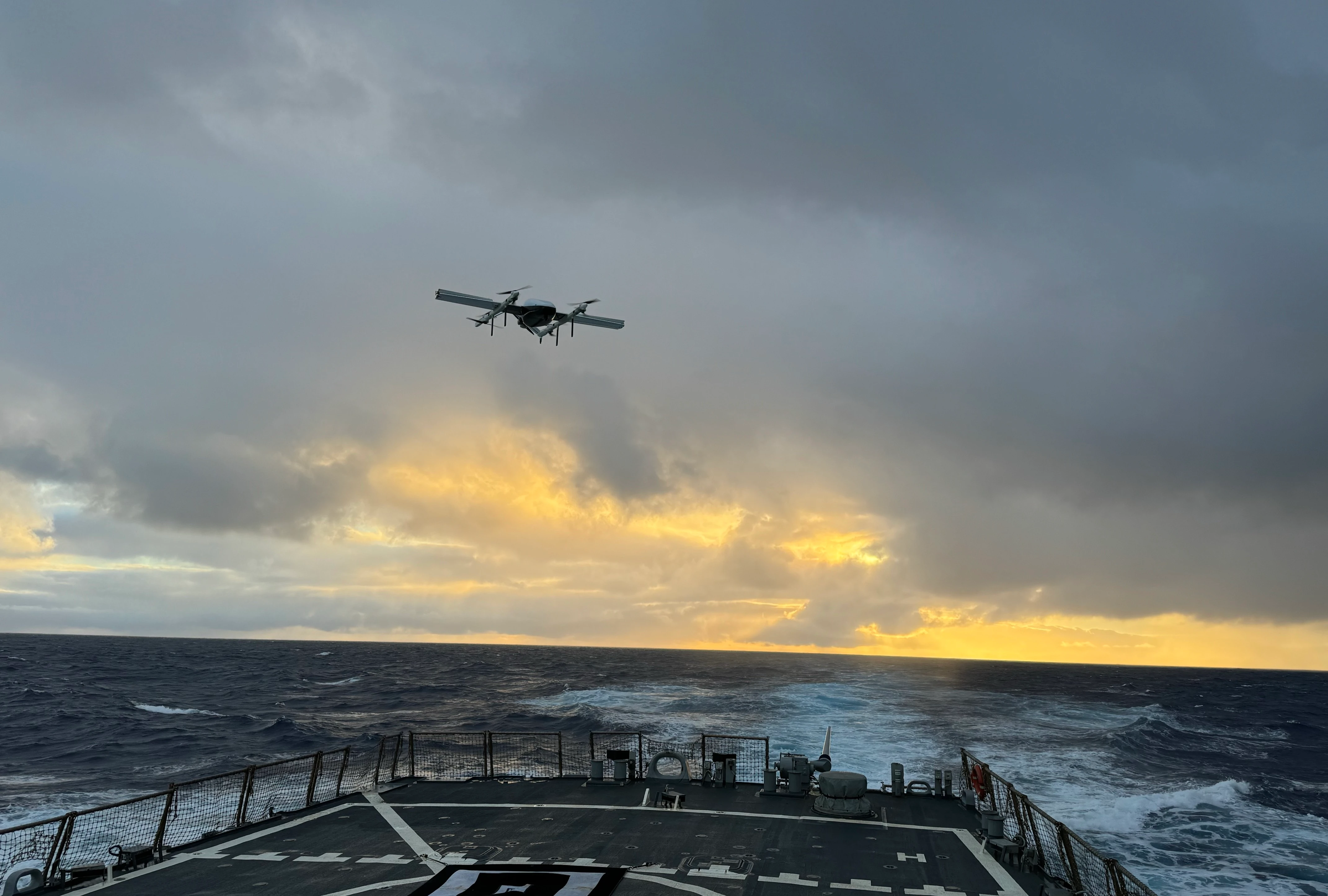
That is what Skyways is building logistics 2.0 around:
- extreme long-range aircraft
- large payload capacity
- lightweight operational hubs
- centralized mission control (aka ROC)
- autonomous operations
- one-to-many flight operations
- logistics integrations that fit the systems customers already use
- a business model that can extend existing logistics and create new market opportunities
Not a standalone aircraft story. A strategic supply chain outcome.
That is the point many drone companies miss. Customers are not buying range, payload, or autonomy as abstractions.
They are buying fewer delays, faster recovery, clearer accountability, and a route model that is reliable, cost-effective, and scalable.
Specs do not equal outcomes.
If an OEM cannot explain where it fits in the customer's supply chain and which KPI it affects, it is only selling an aircraft.
Not a solution.
This is not the future; this is now for Skyways!
This is the conversation we had at the TIACA Executive Summit in Warsaw.


